Food & Agro-industriesFormulation

Feed formulation and nutrition facts for animals

beCPG software allows feed formulation by creating new recipes, managing raw materials and calculating nutrional values. The fabrication of animal feeds requires to take into account several criteria:

  • A balanced diet
    • energy is provided by cereals and corn
    • animal and vegetable proteins brought ​​by animal meal, soybean and peanuts
    • minerals
    • vitamins
    • additives (antioxidants, antibiotics, coccidiostats)
  • Requirements and nutrition standards

Depending on the animal and its stage of growth, its needs and its digestion are different, for example:

Newborns easily digest milk (lactose) but are unable to take advantage of other carbohydrates. In calves, growth is slowed if we replace lactose by another source of carbohydrates.

Feed formulation and nutrition facts for animals

Feed formulation and nutrition facts for animals

Feed formulation and nutrition facts for animals

For that, beCPG provides a product repository to manage raw materials, recipes and nutritional profiles.

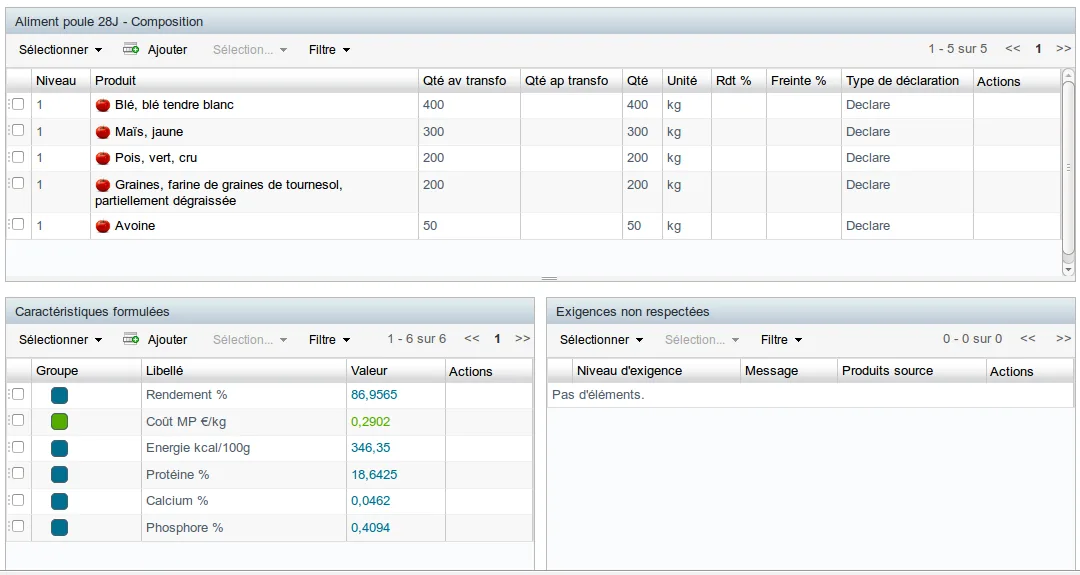
Creating a recipe is easily performed by adding raw materials and premix:
Feed formulation and nutrition facts for animals

In one click, the formulator gets the costs and nutritional values of the blend to compare with the nutritional profiles:

– chicken growth period of 1 to 28 days
– chicken finishing period from 29 to slaughter
– hen
– pork maternity
– pig fattening
– etc …

The impact of raw materials on the cost of the product or on a nutrient can be identified quickly with graphics.
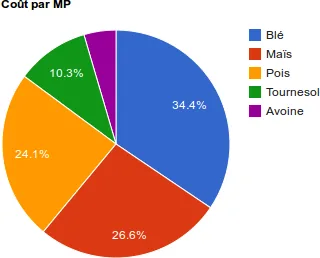
Feed formulation and nutrition facts for animals

Finally, requirements not complied are displayed to the user.
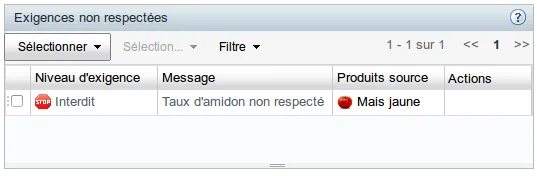
Feed formulation and nutrition facts for animals

Read also

IT & computing

PLM vs ERP: who owns which product data?

PLM supports product design and development, while ERP handles day-to-day operations such as purchasing, production and inventory. The two systems need to exchange data to avoid retyping and inconsistencies.

Philippe Quéré4 min

Food & Agro-industries

How to choose food PLM software: 10 criteria

Choosing food PLM software takes more than comparing feature lists. Several criteria matter, depending on your business: formulation, nutrition calculation, allergen management, regulatory compliance, supplier collaboration and more. How do you compare vendors and find the one that fits your organization? Here are ten criteria to review.

Philippe Quéré5 min

Food & Agro-industries

US food allergen labeling: the 9 major allergens and FDA rules

In the United States, nine major food allergens must be declared on the label: milk, eggs, fish, crustacean shellfish, tree nuts, peanuts, wheat, soybeans and sesame. The law sets how to declare them, in the ingredient list or in a “Contains” statement. Unlike the declaration of allergens present as ingredients, precautionary statements such as “may contain” are not subject to specific presentation rules. The FDA still reminds manufacturers that they must not be misleading. And the FDA guidance of January 2025 changed the scope of milk, eggs and tree nuts.

Philippe Quéré5 min

See beCPG in action

Request a demo or start your free trial.