Cosmetics & HPCFood & Agro-industriesFormulation
Clean label formulation and product transparency
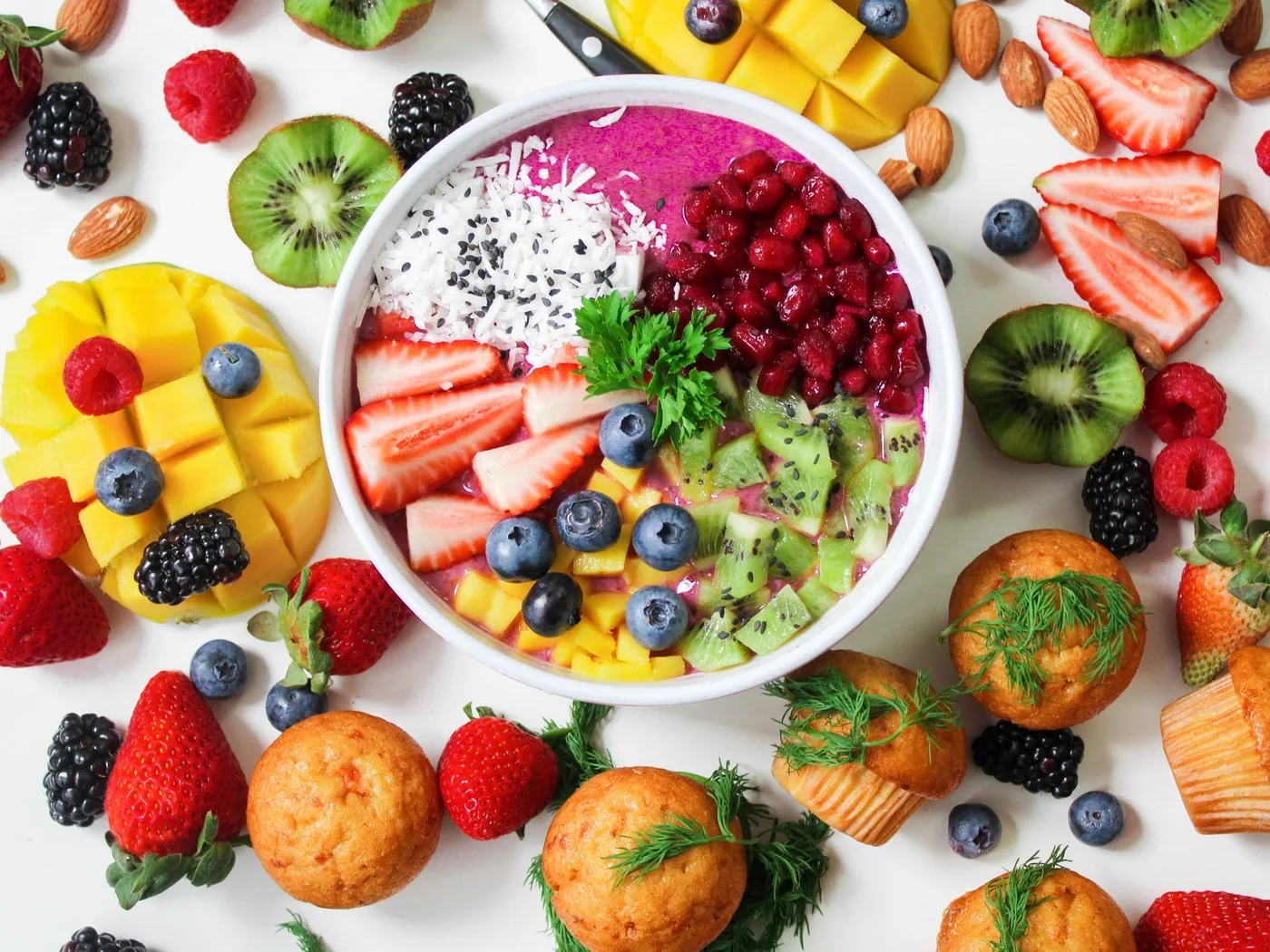
The formulation plays a decisive role at the base of any food and cosmetics innovation. It will be the source of the taste and texture of food, but it is also what will determine the nutritional quality, allergens, and claims of your product. beCPG PLM helps to develop clean label formulation to answer product transparency !
There is a huge need for transparency in food and cosmetics industry, a demand for information about ingredients, their origins, manufacturing processes… Consumers want safe, environmentally friendly and fair products.
For this, the beCPG PLM software helps you manage the calculations required to formulate your innovations. Yields, losses, portions, masses, volumes or percentages, our PLM becomes your R&D team’s best ally. Designed for collaborative work, documents and recipes are always up to date: ideal for telecommuting!
Primarily focused on the food and cosmetics industry, our software allows you to manage specific specifications. Banned or limited ingredients, geographical origins to be favored: beCPG takes care of checking that your recipe meets your needs. And thanks to a new functionality in our latest version 3.2, you can also formulate under constraints, for example to optimize the price of raw materials, or to improve the nutritional profile, according to the constraints and limits that you have indicated to the system.
The beCPG PLM formulation module is fully adaptable and modular to your needs: you can add calculations specific to your industry (naturalness, percentage of organic ingredients, internal score, etc.) to automate part of your work and allow you to focus on your core business.
ANTICIPATE MARKET TRENDS: THE CASE OF THE CLEAN LABEL FORMULATION
While applications like Yuka and Open Food Facts now govern the eating habits of a large number of consumers, manufacturers are looking for a way to meet consumers’ demand for transparency.
To counter the growing influence of applications, some prefer to opt for a more supervised system. Although long hated by manufacturers who criticize its simplistic aspect in particular, the Nutri-score is one of the main collateral beneficiaries of the success of rating applications.
This is the case with Fleury Michon, one of the first manufacturers to be in favor of the logo. The company decided indeed to put it on all their products: “Certainly, the Nutri-score is not perfect. But by choosing to use this tool, we are also telling consumers “see, we have nothing to hide”. ”, explains David Garbous, marketing and strategic director of the French brand1.
Faced with this demand for transparency, it becomes particularly necessary to anticipate the consumer’s choice. beCPG allows you to automatically calculate the costs, allergens, ingredients, nutrients, Nutri-score and claims of your products. beCPG manages several regulations (Food, Cosmetics, Food supplements) in more than 70 countries (Europe, US, Canada, China, Australia…).
With beCPG it becomes easier to offer healthier products to consumers and therefore to adapt the preparations according to the results.
Very quickly you can simulate the impact of changes on an existing product, check its regulatory compliance, its cost and its nutritional scores, making it an ideal tool for R&D and Quality teams. You get many benefits when you link Product Lifecycle Management (PLM) and formulation !
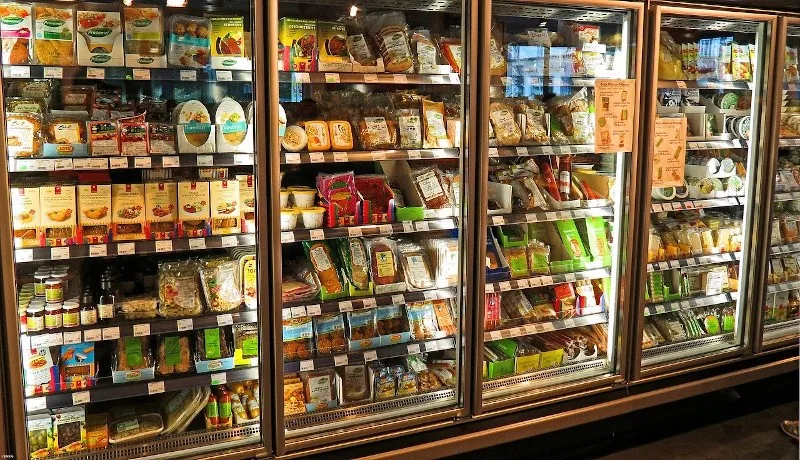
DEMAND FOR PRODUCT TRANSPARENCY IN FOOD AND COSMETICS
Mad cow (1986), dioxin in poultry (1999), E. coli (2011), horse meat (2013), or even eggs with fipronil (2017). The health scandals of recent decades have shaped global food legislation. Moreover, France is also the European champion of the heaviest sanctions2.
In 2010, more than half of French people believed that the food they eat was harmful to their health. They also thought they were not told the truth about the dangers of food products3. This widespread mistrust has led to a toughening of legislation around food products. It is now becoming increasingly time-consuming for agro-industries to manually manage the proper application of increasingly complex regulations. But the error is unthinkable, because the impact of a scandal can prove fatal for a brand (2 in 3 French people change their eating habits in the event of a food scandal4).
In conclusion: to save time, trust beCPG! Our PLM solution calculates your regulatory data (allergens, nutrients, INCO labeling, etc.), and automatically generates your technical files & customer specifications. Fully customizable, you can also add information specific to your business.
And of course, we are monitoring regulatory developments globally to update our PLM solution! Find our other articles on the evolution of nutrition labeling in Canada and the USA.
What are you waiting for? Contact us today to request a demo or a free trial! We will show you how beCPG PLM helps to develop clean label formulation to answer product transparency.
Sources (in french) :